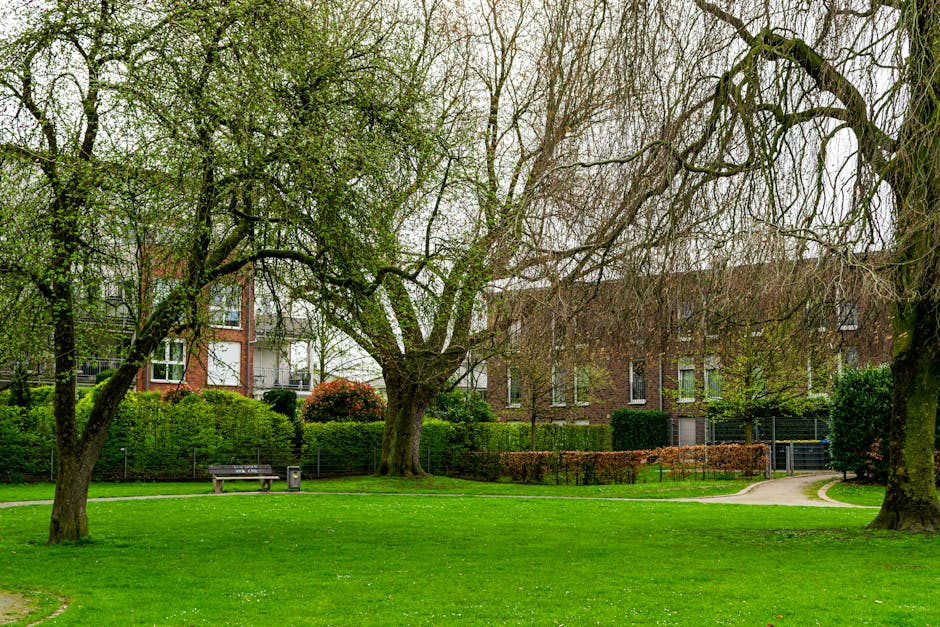
Boston Manor Park Hanwell garden care and local gardeners guide
If you live near Boston Manor Park in Hanwell, you already know the garden mood changes fast. One week it is soft spring growth and fresh green edges; the next, it is wet paths, thuggish weeds, and a lawn that looks a bit sorry for itself. This Boston Manor Park Hanwell garden care and local gardeners guide is here to make that easier. It explains what good local garden care looks like, how experienced gardeners approach the work, and how to choose the right help for regular maintenance, tidy-ups, and longer-term improvements.
Whether your outdoor space is a compact town garden, a family plot that gets a lot of use, or a more established garden that needs regular attention, the basics remain the same: keep growth under control, protect the soil, plan for the seasons, and use the right service at the right time. Sounds simple. In reality, it is where a lot of gardens go off track.
This guide is written for homeowners, landlords, busy families, and anyone comparing local gardening options in Hanwell. You will find practical steps, sensible cautions, and a few local realities that tend to matter more than people expect.
Table of Contents
- Why Boston Manor Park Hanwell garden care and local gardeners guide Matters
- How Boston Manor Park Hanwell garden care and local gardeners guide Works
- Key Benefits and Practical Advantages
- Who This Is For and When It Makes Sense
- Step-by-Step Guidance
- Expert Tips for Better Results
- Common Mistakes to Avoid
- Tools, Resources and Recommendations
- Law, Compliance, Standards, or Best Practice
- Options, Methods, or Comparison Table
- Case Study or Real-World Example
- Practical Checklist
- Conclusion
- Frequently Asked Questions
Why Boston Manor Park Hanwell garden care and local gardeners guide Matters
Boston Manor Park sits in a part of Hanwell where gardens often face the same mix of pressures: changeable weather, mature trees, shaded borders, busy family use, and the occasional burst of very enthusiastic plant growth. Good garden care is not just about looks. It protects the structure of the garden, reduces long-term repair work, and keeps outside areas usable rather than becoming a weekend chore you keep putting off.
Local gardeners matter because they tend to understand the rhythm of the area. They know how quickly hedges rebound after a warm spell, how damp corners behave after a run of rain, and why some lawns in west London need a gentler approach than a one-size-fits-all routine. That local awareness is useful. It saves time, and honestly, it saves a few headaches too.
There is also a practical side. A well-kept garden can make everyday life easier: safer paths, clearer sightlines, easier access to bins, less leaf buildup around drains, and fewer hidden corners where brambles take over. If you are renting out a property, maintaining a garden also helps present the home properly. If you are staying put, it simply makes the place nicer to live in. Simple as that.
For a lot of readers, the key question is not "Do I need garden care?" It is "What level of care do I actually need?" That is where a local gardener's guide becomes useful. It helps you sort a quick tidy-up from a full maintenance plan, and routine upkeep from heavier work such as garden clearance or structural changes through landscaping.
How Boston Manor Park Hanwell garden care and local gardeners guide Works
Good garden care works best as a cycle, not a one-off rescue mission. The garden is assessed, priority tasks are identified, and the work is broken into manageable parts. In practice, that usually means a mix of mowing, hedge work, border attention, pruning, waste removal, and seasonal improvements.
A local gardener will normally start by looking at three things:
- Condition: what is overgrown, damaged, patchy, diseased, or simply neglected.
- Use: how the garden is actually used, whether it needs to be child-friendly, pet-friendly, low-maintenance, or presentable for visitors.
- Timing: what can be done now, what should wait, and what needs a seasonal window.
That last point matters more than people think. Some jobs can be done almost any time. Others need a steady hand and the right moment. For example, a hedge may need regular shaping to stay neat, but heavy cutting at the wrong point in the year can leave it looking thin or stressed. Likewise, lawn work can be quick and routine, but if the grass is waterlogged or cut too short, you can end up causing more harm than help.
Most local gardening services will also separate soft landscaping from maintenance. Maintenance is the day-to-day and month-to-month care; soft landscaping is the reshaping of beds, paths, borders, turf, features, and planting arrangements. If you want a garden that feels better laid out rather than merely tidier, that distinction becomes important. You might begin with garden maintenance and later move into more ambitious landscape gardening.
One thing I would say from experience: the best results usually come from consistency. A garden that gets a little attention every few weeks often looks better than one that is left alone for months and then attacked in a single heroic session. Those hero sessions are tiring. And messy. The bin bags multiply. The neighbour's fence seems to be leaning more than before.
Key Benefits and Practical Advantages
There are some obvious benefits to regular garden care, but the less obvious ones can be just as valuable.
- Less overgrowth: regular attention keeps hedges, borders, and lawn edges under control.
- Better plant health: pruning, feeding, and sensible watering help plants recover and thrive.
- Safer access: tidy paths and clear routes reduce trip hazards and make the garden easier to use.
- Cleaner appearance: a neat garden instantly improves the feel of a property.
- Lower long-term cost: small tasks are usually easier and cheaper than rescue work later.
- Less waste stress: professional gardeners often handle cuttings and green waste in an organised way.
There is also a quiet psychological benefit. You notice it on a Monday morning, or on a mild evening when the light is soft over the borders. The garden feels under control. That changes how you use it. People sit outside more. Children play more freely. Even a tiny patio feels less like a forgotten corner and more like part of the home.
If the space includes decking, steps, or built features, the value of good upkeep goes up again. Moss, debris, and damp patches can make these areas less pleasant and less safe. For those jobs, it helps to use services that understand both the planting side and the hard-surface side, such as decking services.
And if the garden has become too far gone, the biggest practical advantage of local help is speed. A skilled team can clear, assess, and reset the space much faster than a homeowner working in spare pockets of time. Truth be told, that can be a relief in itself.
Who This Is For and When It Makes Sense
This guide is useful if you are in one of a few common situations.
- Homeowners who want a tidy, attractive garden without giving up whole weekends to it.
- Busy families who need safe, usable outdoor space with minimal fuss.
- Landlords and letting agents who need gardens presentable between tenancies.
- Older residents who want reliable help with physically demanding tasks.
- New residents who have inherited an established garden and are still figuring out what needs attention.
- People preparing to sell and wanting the outside space to make the right first impression.
It also makes sense if you are dealing with recurring issues rather than a one-off problem. For example, one border always floods after rain, one hedge keeps spilling into a path, or the lawn never seems to recover after summer use. Those are signs that the garden needs a proper maintenance plan, not just an occasional tidy.
Sometimes the right move is smaller than people imagine. Maybe you do not need a full redesign. Maybe you just need mowing, hedge trimming, and a bit of border reset. That is where local service choice matters. The right gardener does not oversell. They help you choose what will genuinely improve the space.
If you are unsure where to begin, a good starting point is to review the broader services overview and work out whether your garden needs maintenance, clearance, or a landscaping refresh. That alone often makes the decision easier.
Step-by-Step Guidance
If you want to approach Boston Manor Park Hanwell garden care in a sensible way, use a simple process.
- Walk the garden slowly. Look for overgrowth, broken edging, moss, puddling, dead branches, sparse lawn patches, and anything that makes access awkward.
- Separate urgent from cosmetic. A fallen branch, unsafe step, or blocked route comes before visual trimming.
- Decide what you can realistically maintain. Be honest here. If you only have an hour a fortnight, choose a low-maintenance approach rather than a high-maintenance dream you will resent later.
- Group tasks together. Mowing, edging, hedge work, and waste clearance can often be planned together to save time.
- Think seasonally. Spring and early summer are usually about growth control and shaping. Late summer often needs a tidy and reset. Autumn is about leaf management and preparing the garden for wetter months.
- Set the right service level. Regular garden maintenance suits ongoing care; garden clearance suits neglected spaces; landscaping suits layout changes and bigger improvements.
- Schedule repeat visits where needed. A one-off tidy helps, but recurring visits keep momentum and reduce the "back to square one" feeling.
For many gardens near Boston Manor Park, a typical first visit might include a mower pass, hedge shaping, border edging, leaf and debris collection, and a general reset. After that, the work becomes easier to plan. You are not guessing anymore; you are maintaining.
If tree branches are affecting light, blocking a boundary, or creating clutter above a small garden, that should be reviewed carefully. Any larger pruning or removal work should be handled with care, and where needed, by a team that offers tree lopping and removal. Not every tree issue needs heavy intervention, by the way. Sometimes it is just a pruning job and a bit of patience.
Expert Tips for Better Results
Here are a few practical lessons that tend to make the biggest difference.
- Cut less, more often. This is especially true for lawns and hedges. Light, regular work keeps shape and health better than dramatic cuts.
- Watch the edges. A garden can look untidy even when the main area is fine if the edges are ragged.
- Do not ignore drainage clues. Repeated standing water, soft ground, or mossy patches usually mean the problem is not just surface-level.
- Let the garden breathe. Overcrowded beds often look busy in the wrong way. A little space helps plants perform better.
- Keep a waste plan in mind. A tidy finish matters. Green waste left in piles can quickly undo the effort.
- Ask for honest scope. If a job is bigger than a standard visit, it is better to hear that early.
One small but useful tip: look at your garden at dusk, not just in daylight. The shape, shadows, and clutter suddenly read differently. You notice what the morning rush hides. It is a bit unfair on the garden, but very revealing.
Also, be clear about what kind of finish you want. "Neat" can mean compact and formal, or just orderly and low-key. A good local gardener will usually adapt, but only if the brief is reasonably clear. Otherwise everyone ends up guessing, and guesswork is a funny thing. It rarely helps.
Common Mistakes to Avoid
Most garden problems are not caused by one dramatic failure. They come from a stack of smaller mistakes.
- Leaving everything until it is urgent. The longer growth is left, the more work and waste you create.
- Cutting too much at once. Hard pruning in the wrong place can weaken plants or leave bare patches.
- Using the wrong service for the job. A maintenance visit is not the same as a clearance job, and neither is the same as landscaping.
- Ignoring access issues. Narrow side access, heavy waste bags, or fragile surfaces can all affect the plan.
- Forgetting the weather. Wet soil, frost, and heat all change how safely and effectively a job should be done.
- Trying to save money by skipping basics. Sometimes the cheapest option becomes the expensive one later.
A very common one, especially in older Hanwell gardens, is underestimating how quickly hedges and climbers recover after a mild spell. You think you can wait another month. Then suddenly the fence is hidden and the path feels narrower. Happens all the time.
Another mistake is treating all green waste the same. A small seasonal tidy is manageable. A full overgrown clearance needs different planning, more labour, and usually a better disposal approach. If the space needs a reset, a dedicated garden clearance service is often the cleaner solution.
Tools, Resources and Recommendations
You do not need a shed full of specialist kit to keep a garden in good shape, but the right tools make the work safer and more efficient.
| Task | Useful tools or resources | Why it helps |
|---|---|---|
| Lawn care | Mower, edging tool, rake | Keeps grass height consistent and the finish sharper |
| Hedge work | Secateurs, hedge trimmer, gloves | Helps shape growth without tearing or bruising stems |
| Border maintenance | Hand fork, trowel, bucket, mulch | Makes weeding, feeding, and soil care easier |
| Clearance | Heavy-duty bags, tarpaulin, skip or collection plan | Prevents waste from spreading and saves time |
| Hard-surface care | Brush, scraper, safe wash method | Reduces slip risk and keeps paths and decking usable |
For many householders, the most helpful recommendation is not a tool at all but a system. Keep a simple seasonal note of what needs doing. Mow, trim, weed, feed, check drainage, remove waste. It sounds basic, but it stops the garden from slipping through the cracks.
If you are comparing local help, look for a team that can cover the main jobs without needing four different contractors. A service that handles maintenance, hedge trimming, mowing, landscaping, and clearance can usually coordinate the work more smoothly. You can start by reviewing the garden care options under garden maintenance, hedge trimming, and lawn mowing.
For cost transparency and planning, it also helps to check pricing and quotes before arranging a visit. Clear expectations at the start usually lead to smoother work on the day. It is a small thing, but it saves awkwardness.
Law, Compliance, Standards, or Best Practice
Garden care in the UK is not just a matter of tidiness. There are practical safety, environmental, and property considerations to keep in mind, especially where larger tools, waste, ladders, or tree work are involved.
Best practice usually includes the following:
- Safe working methods: tools should be used properly, with care around people, pets, and fragile surfaces.
- Waste handling: green waste should be collected, contained, and disposed of responsibly.
- Risk awareness: tree work, steep slopes, slippery surfaces, and hidden obstacles need proper assessment.
- Neighbour consideration: keeping noise, debris, and access disruption reasonable.
- Insurance awareness: it is sensible to choose a provider that is clear about cover and safe practices.
That is especially important when work goes beyond light gardening. Any tree-related task, for example, carries extra risk. It can involve height, falling material, and structural uncertainty. You should expect careful judgement and, where needed, the right safety approach. If you want reassurance around this side of the work, it is worth reviewing a provider's insurance and safety information and their health and safety policy.
Environmental care is part of the picture too. A sensible gardener does not just pile cuttings into a corner and leave them. They think about reuse, recycling, and waste reduction. If sustainability matters to you, take a look at recycling and sustainability. It is a practical issue, not a decorative one.
Finally, if you ever feel unsure about the scope of work or the terms of service, it is reasonable to check the provider's terms and conditions. Not glamorous, I know. Still useful.
Options, Methods, or Comparison Table
Choosing the right approach often comes down to what the garden actually needs right now. Here is a straightforward comparison.
| Approach | Best for | Typical scope | When to choose it |
|---|---|---|---|
| Regular garden maintenance | Ongoing tidy, control, and seasonal upkeep | Mowing, edging, hedge trimming, weeding, light pruning | When the garden is in fair shape but needs consistency |
| Garden clearance | Overgrown, neglected, or heavily cluttered spaces | Cut-back, debris removal, waste clearing, reset | When the garden has slipped beyond routine upkeep |
| Landscaping | Layout changes or bigger visual improvements | Beds, features, hard and soft garden reshaping | When you want the space to work or look differently |
| Landscape gardening | Design-led improvements with planting structure | Planning, planting, structure, flow, usability | When the garden needs more than surface tidying |
There is no single "best" option. A lot of gardens need a bit of each over time. For example, a neglected front garden might begin with clearance, move into maintenance, and later be improved through landscaping. That is a normal sequence, not a failure.
If the choice is not obvious, ask a simple question: do I need this garden made tidy, made usable, or made different? That one question cuts through a lot of confusion.
Case Study or Real-World Example
Here is a realistic example based on a very common Hanwell garden situation.
A small rear garden near Boston Manor Park had become a tangle of waist-high weeds, a tired lawn, and two hedges that had pushed into the sitting area. The owners had been meaning to sort it for months, but life got in the way. School runs, work, weather, the usual. By the time they acted, the space felt too overwhelming to start.
The first step was not a redesign. It was a reset. The garden was cleared in stages: waste removed, the lawn brought back to a manageable condition, hedges cut back to restore space, and the borders cleaned up so the remaining plants could actually be seen. After that, the owners switched to lighter maintenance visits instead of waiting for another big problem to build up.
The key lesson was simple. They did not need to do everything at once. They needed the garden back into a manageable rhythm. Once that happened, they could enjoy the space again without dreading the next sunny weekend because it meant "garden job day".
That sort of change is pretty common. The best outcome is not always the fanciest one. Often it is the one that feels calm, orderly, and sustainable.
Practical Checklist
Use this checklist before booking a local gardener or starting a garden care plan.
- Walk the garden and note the main problem areas.
- Decide whether you need maintenance, clearance, landscaping, or a mix.
- Check access routes for tools, waste, and safe movement.
- Identify any broken, slippery, or hazardous features.
- Think about how often the garden will need repeating work.
- Be clear about the finish you want: neat, usable, low-maintenance, or redesign-led.
- Ask whether green waste will be removed as part of the service.
- Confirm safety and insurance information where relevant.
- Consider whether hedge, lawn, tree, or decking work should be bundled together.
- Keep a simple seasonal plan so the garden does not slide backwards.
Expert summary: if you keep one thing in mind, make it this: the best garden care plan is the one you can actually sustain. A realistic routine beats a perfect plan that never gets followed.
Conclusion
Boston Manor Park Hanwell garden care and local gardeners guide advice is ultimately about making outdoor spaces easier to live with. Not just prettier. Easier. A garden should support your day-to-day life, not quietly become another job queue waiting by the back door.
For some people, that means regular mowing and hedge trimming. For others, it means a proper clearance and a fresh start. And for many, it is somewhere in the middle: steady maintenance, a few targeted improvements, and a bit more structure through the year. That middle ground is often the sweet spot.
If you choose local help carefully, ask for the right service level, and stay realistic about upkeep, your garden can become one of the best parts of the home again. Even on a grey Hanwell afternoon, that matters more than people admit.
Get a free quote today and see how much you can save.
For more about the people behind the work, you can also read the about us page or get in touch through the contact us page when you are ready.
Frequently Asked Questions
What does a local gardener near Boston Manor Park usually do?
A local gardener typically handles mowing, hedge trimming, weeding, pruning, border tidy-ups, and waste removal. Some also provide landscaping, clearance, and seasonal maintenance plans.
How often should a garden in Hanwell be maintained?
It depends on the size of the garden and how fast things grow, but many gardens benefit from fortnightly or monthly attention during the main growing season. Some need only seasonal visits. A fair few need more than people think, especially after wet spells.
Is garden clearance the same as garden maintenance?
No. Garden maintenance is ongoing care. Garden clearance is for overgrown, cluttered, or neglected spaces that need a bigger reset before routine care can resume.
When is the best time to trim hedges?
The best timing depends on the hedge type and its condition. Light shaping can often be done regularly, but heavier cuts should be timed carefully so the plant is not stressed. If you are unsure, ask for a site-specific recommendation.
Do I need landscaping or just maintenance?
If the garden is basically functional but untidy, maintenance is usually enough. If the layout feels awkward, the space is not working well, or you want a proper refresh, landscaping may be the better choice.
Can a gardener help with a small urban garden?
Yes, and small gardens often benefit the most from professional attention. Tight spaces show neglect quickly, so a neat routine can make a big difference without major work.
What should I ask before booking a gardener?
Ask what is included, whether waste removal is covered, how they handle safety, whether they offer repeat visits, and what kind of finish you can expect. Clear questions at the start save a lot of back-and-forth later.
Is tree work part of normal garden care?
Light pruning might be, but larger tree-related tasks are usually separate because they carry more risk and need more specialist handling. Anything involving significant height, weight, or structural uncertainty should be approached carefully.
How do I keep garden costs under control?
Choose the right service level, keep on top of small tasks before they become large ones, and bundle similar jobs together where sensible. It is often cheaper to maintain than to rescue.
What if my garden has been neglected for months?
That is common, and it is fixable. Start with a clearance or a major tidy, then switch to regular maintenance once the space is back under control. No need to do everything in one go.
Are green waste and recycling usually included?
Often they are, but it depends on the provider and the scope of work. It is best to confirm how waste will be managed before the job begins, especially after a larger cut-back.
How do I know if a gardener is trustworthy?
Look for clear communication, sensible scope, transparent terms, and straightforward safety information. A trustworthy gardener does not overpromise. They explain what is realistic and what is not, and that is usually a good sign.