Recycling and Sustainability for Gardening Hanwell
Gardening Hanwell is committed to creating an
eco-friendly waste disposal area and a
sustainable rubbish gardening area that serves local households, allotments and community gardens. Our approach combines practical waste separation, community partnerships and lower-carbon logistics to turn garden waste into valuable resources. This page outlines targets, partner networks, collection practices and the practical measures we take to keep Hanwell green, circular and productive.
Our sustainability target and ethos
We have set a clear recycling percentage target for garden and green waste:
65% recycling and reuse of all diverted gardening waste by 2030. That target covers composting, mulch production, pot reuse, timber recovery and the redistribution of reusable soils and planters. By focusing on a dedicated
eco waste disposal area that is designed specifically for gardening materials, we maximise material recovery and reduce landfill contribution for the local borough.
Local transfer stations and borough waste separation
The boroughs around Hanwell operate a progressive approach to waste separation — typically separating food waste, garden/green waste, paper/card, glass and residual waste at source. Gardening Hanwell works with local transfer stations and civic amenity sites to ensure garden waste is routed correctly. Key nearby transfer stations we use for processing and onward recovery include municipal composting hubs and community transfer points that accept:
- Green waste and woody material for composting;
- Soil, grit and brick for reuse in landscaping;
- Clean plastics and polystyrene from horticulture for specialist recycling.
These transfer nodes are essential to creating a true
sustainable waste area for gardening Hanwell where separation and pre-processing happen before material recovery.
Low-carbon logistics and collection
We operate a fleet of low-carbon vans and small electric trailers to collect green waste, unwanted pots and salvaged timber from garden clearances. Using
low-carbon vans reduces emissions linked to local collections and supports a circular local economy. Where electric vehicles are not practical, we employ hybrid models and plan routes to minimise mileage and idling. Our logistics strategy is built around the concept of a dedicated
sustainable rubbish gardening area where materials are consolidated, sorted and processed.
Partnerships with charities and social enterprises
Working with local charities and social enterprises is central to our reuse model. We partner with organisations that accept functional gardening tools, pots, raised bed timber and surplus soil. These partnerships ensure that reusable items stay in the community rather than entering the waste stream. Typical charity partners and reuse routes include:
- Community gardens and allotment associations that accept donated compost and planters;
- Training charities that refurbish tools and provide employment skills;
- Social enterprises that run resale or reuse shops for garden materials.
Through these alliances we deliver real social value alongside environmental gains.
What we recycle and how
Our on-site sustainable rubbish gardening area accepts and diverts a wide range of materials. We process green waste into compost and mulch, separate and clean plastics used in horticulture, salvage and treat softwood for reuse in raised beds, and store clean topsoil for redistribution. In line with the boroughs’ separation guidance, we encourage residents to keep food and garden waste distinct and to bring materials to our consolidation area sorted where possible.
Monitoring progress and reporting
We track tonnages and recycling rates monthly to ensure progress toward our
65% recycling goal. Data points include volumes of green waste composted, number of items donated to charities, weight of timber reused and kilometres driven by low-emission vehicles. Transparency is important: published metrics allow the community to see the impact of the eco-friendly waste disposal area and support continuous improvement.
Community involvement and education
Practical workshops and neighbourhood drop-off days help residents learn about separation and the benefits of a green, circular approach. We host sessions on composting, mulching and creating wildlife-friendly beds using reclaimed materials from our
sustainable rubbish gardening area. Volunteers assist with sorting at transfer events, and local schools are invited to tour the composting and reuse facilities to learn the life-cycle of garden waste.
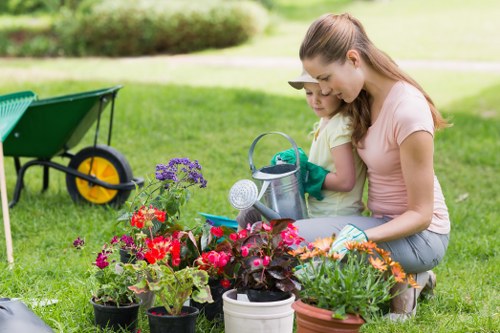
Conclusion: a low-carbon, circular future for Hanwell gardens
Gardening Hanwell combines a dedicated
eco-friendly waste disposal area, partnerships with charities, collaboration with local transfer stations and a fleet of low-carbon vans to create a resilient and circular gardening economy. By prioritising separation at source, reuse of good materials and community redistribution, we reduce landfill, cut emissions and keep valuable organic matter in the soil where it belongs. Join us in supporting a practical, measurable transition to a cleaner, greener Hanwell—one compost heap, one donated planter and one low-emission delivery at a time.