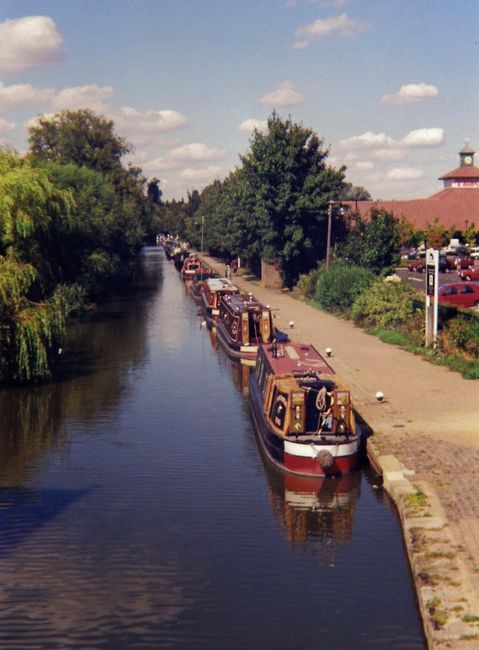
Grand Union Canal front gardens Hanwell professional gardeners: a practical guide for beautiful, resilient waterside spaces
If you live near the Grand Union Canal in Hanwell, your front garden has a slightly different job to do. It is not just there to look tidy from the street. It has to cope with passing foot traffic, variable shade, reflected heat, wind channels, and the general wear that comes from being a visible, lived-in edge of the home. That is where Grand Union Canal front gardens Hanwell professional gardeners come in: the right help makes a garden look sharp, stay healthy, and feel easy to manage all year round.
In this guide, we will walk through what makes canal-side front gardens different, how professional gardeners approach them, what to expect from a good service, and how to avoid the mistakes that cost time and money later. If you are weighing up regular upkeep versus a bigger tidy-up, or you simply want your front garden to stop looking tired by Thursday afternoon, you are in the right place.
One quick note before we begin: waterside gardens can be wonderfully forgiving in some ways and oddly tricky in others. A bed that looks fine in May can turn leggy by August. A hedge that seemed neat can block light or overhang a path before you know it. Truth be told, a lot of "small" front-garden issues become big ones if they are left alone.
Why Grand Union Canal front gardens Hanwell professional gardeners Matters
Front gardens along the Grand Union Canal corridor in Hanwell often sit in a very public, very exposed position. Even when the garden is tiny, it still shapes how the property feels from the pavement, the path, or the canal-side approach. A neat front garden can make a terrace look cared for and calmer. A scruffy one can make the whole property feel a bit unloved, even if the rest of the home is immaculate inside.
Professional gardeners understand that these spaces are not standard suburban plots. Canal-side and near-canal gardens often deal with more moisture in the air, pockets of shade from mature trees or buildings, and occasional pressure from leaf fall, weed growth, and compacted soil. In practice, that means the planting choices, mowing pattern, hedge lines, and cleaning routine all need a bit more thought than a generic "cut and tidy" approach.
There is also a safety angle. Front gardens can feed directly onto paths, gates, steps, or shared access points. If a hedge overhangs or a climber starts creeping across a boundary, access becomes awkward fast. A good gardener sees the whole picture: appearance, access, plant health, and the practical day-to-day use of the space. It is a bit like tuning a small engine - if one piece is off, the whole thing feels off.
For homeowners, landlords, and managing agents, the stakes are simple. A front garden is one of the most visible parts of a property. With the right upkeep, it can set the tone before anyone even reaches the door. With the wrong upkeep, it becomes the one thing people notice for the wrong reason. Annoying, but true.
How Grand Union Canal front gardens Hanwell professional gardeners Works
Professional garden care usually starts with a site assessment. That sounds formal, but it is often straightforward: a gardener looks at the light levels, soil condition, drainage, planting density, hedge shape, access routes, and what kind of upkeep the garden already needs. A small garden near the canal may look simple from the street and still have several hidden issues - dry patches under shelter, waterlogging near a low point, or a hedge that is blocking light into the front room.
From there, the work is typically broken into manageable tasks. That might mean lawn care, hedge trimming, pruning, weed control, edging, clearing leaves, refreshing mulch, shaping shrubs, and removing dead or weak growth. Some gardens need more structural help too, particularly if the layout has become crowded over time. In those cases, landscaping support or landscape gardening may be more useful than repeated quick fixes.
Professional gardeners also know when not to overdo it. Front gardens near the canal can benefit from restraint. A common mistake is stripping out everything for the sake of neatness. That can leave a space harsh, hot, and difficult to maintain. Better to keep a clear structure: one or two strong focal shrubs, a clean edge, and planting that does not fight the space. You want it to breathe a little.
If the garden is heavily cluttered, old pots are broken, or growth has been left for months, a proper reset may begin with garden clearance. That gives the gardener a clean starting point and makes the future maintenance plan much more realistic.
Key Benefits and Practical Advantages
A well-kept front garden does more than improve the view. It changes how the property functions. For canal-side homes in Hanwell, the benefits usually fall into a few clear categories.
- Better first impressions: The front of the house looks ordered, calm, and cared for.
- Less ongoing stress: Regular maintenance prevents jobs from snowballing into major weekend projects.
- Healthier plants: Correct pruning, feeding, and spacing reduce disease pressure and weak growth.
- Improved access: Pathways, gates, and entrances stay usable and clear.
- Safer boundaries: Overgrown shrubs and hedges are less likely to interfere with movement or visibility.
- More consistent value: A tidy, proportionate garden supports the overall presentation of the home.
There is also a psychological benefit that people underestimate. A front garden that looks under control makes the whole place feel easier to live in. You notice it on a damp Monday morning when the bins are out, or on a sunny evening when the planting is doing its job and the path still feels clean. Small thing, but it matters.
For homeowners who do not want to spend every other Saturday with shears in hand, regular support through garden maintenance can be the simplest route. It keeps the work predictable, which is often the real win.
Who This Is For and When It Makes Sense
This kind of service is not only for people with large or expensive gardens. In fact, some of the most time-sensitive front gardens are the smallest ones. If your space is only a few metres deep, every plant choice and every cut shows immediately. There is nowhere to hide.
It makes sense to bring in professional gardeners if any of the following sounds familiar:
- Your front garden looks fine one week and messy the next.
- Plants are blocking windows, paths, or light.
- You have hedges that are getting out of hand.
- Weeds keep returning even after you clear them.
- The garden needs a proper reset after a long period of neglect.
- You want a more refined look without losing the natural feel of the space.
- You manage a rental or second property and need a dependable standard.
It also makes sense if you simply do not want the job hanging over you. Some people enjoy garden work; others would rather get on with life and leave it to someone who knows what they are doing. Fair enough. Not everyone dreams of a Saturday spent battling bindweed and damp leaves.
If you are not sure whether you need a one-off tidy or ongoing care, looking at a broader services overview can help you match the work to the garden's real condition rather than guessing.
Step-by-Step Guidance
If you are planning a front garden refresh near the Grand Union Canal, a sensible process keeps everything practical and less wasteful. Here is how a good job usually unfolds.
- Inspect the space properly. Check what is thriving, what is struggling, and what is simply in the wrong place. Look at light, soil, drainage, and access.
- Remove the obvious clutter. Dead plants, broken containers, litter, and self-seeded growth should go first. This instantly improves the feel of the space.
- Deal with boundaries and height. Hedges, shrubs, and climbers should be cut back so they sit neatly within the space and do not overwhelm the frontage.
- Shape the planting. Reduce overcrowding, lift low growth where needed, and keep a consistent outline so the garden looks deliberate rather than hacked at.
- Refresh the soil surface. Add compost, mulch, or a top dressing where appropriate to suppress weeds and support moisture retention.
- Check the lawn or ground cover. If you have turf, keep it trimmed and edged. If you have gravel, bark, or paving, ensure it is properly cleared and stable.
- Set the maintenance rhythm. A good front garden is not a one-off victory. It needs a routine, even if the routine is light.
Where there is a lawn, regular trimming makes a bigger difference than people expect. Even a modest front strip can look crisp with proper mowing and edging. If that is part of your setup, lawn mowing services can keep the finish tidy without leaving scalped patches or uneven stripes.
If hedges are part of the frontage, do not wait until they are awkwardly large. A measured approach through hedge trimming keeps them denser, neater, and easier to control. Once a hedge becomes too woody or top-heavy, the job gets much less pleasant. No one wants that.
Expert Tips for Better Results
Experience teaches you a few useful shortcuts. Not shortcuts in the lazy sense - more like choices that keep the garden balanced over time.
Keep the front edge simple. A strong line along the path, wall, or border makes even a modest space feel intentional. Too many competing shapes make the garden look fussier than it needs to be.
Choose plants that behave. In a small front garden, "interesting" is not always the same as "useful". Pick shrubs and perennials that stay within bounds and do not demand constant correction. That way, the garden keeps its shape instead of collapsing into itself by midsummer.
Plan for visibility and light. Near canal-side properties, light can already be a bit inconsistent depending on the time of year and surrounding buildings. So avoid planting combinations that crowd windows or cast too much shadow across the frontage.
Mulch is your quiet ally. It is not glamorous, but it helps suppress weeds, hold moisture, and make beds look finished. A neat layer of mulch can make the difference between "done" and "professionally done".
Stay realistic about maintenance. If you will only tend the garden once every two months, choose a design that survives that reality. A low-maintenance scheme is not giving up. It is being honest.
There is one more thing. Ask for a gardener who can explain the reasoning, not just the result. Why prune here? Why thin that shrub? Why leave that gap? A decent professional should be able to answer in plain English without making it feel like a mystery tour.
Common Mistakes to Avoid
Most front garden problems are not dramatic. They build quietly. That is why people miss them until the whole space feels off.
- Cutting everything back too hard: Heavy-handed pruning can leave plants stressed, bare, or oddly lopsided.
- Ignoring drainage: If water sits in a low point or soil stays soggy, the same problems return again and again.
- Planting for the moment, not the space: A plant that looks lovely in the pot may be far too large for a narrow frontage.
- Letting hedges drift outward: They slowly eat the path, the light, and your patience.
- Using too many varieties: Small gardens can become visually noisy when every corner has a different texture and height.
- Leaving clearance work too long: Once a front garden becomes cluttered, every later task takes longer and costs more effort.
One of the most common slip-ups is assuming a "quick tidy" will fix an overcrowded garden. Sometimes it will. Often, it will not. If roots are competing, shrubs are too close together, or the structure is genuinely tired, the better answer may be proper redesign or pruning rather than repeated surface work.
Also, do not forget the less obvious items: old ties, broken stakes, hidden weed pockets behind bins, and growth under railings. Those little bits are exactly what make a finished garden look half-done. Annoying, yes, but fixable.
Tools, Resources and Recommendations
Good results depend on using the right kit and keeping the work sensible. You do not need a shed full of gadgets. You need clean, reliable tools and a method that suits the space.
| Task | Useful tools | Why they matter |
|---|---|---|
| General tidy-up | Gloves, hand fork, rake, pruners, bags | Helps remove debris cleanly without damaging plants |
| Hedge and shrub shaping | Secateurs, hedge trimmers, loppers | Gives a straighter, more controlled finish |
| Lawn care | Mower, edging tool, brush | Produces a sharper frontage and reduces straggly edges |
| Soil refresh | Compost, mulch, spade, cultivator | Improves structure, moisture retention, and appearance |
| Clearance work | Heavy-duty sacks, wheelbarrow, cutting tools | Makes removal quicker and safer |
For bigger or more stubborn jobs, a full garden clearance can be the most efficient starting point. That is especially useful where the front plot has been neglected after a move, a renovation, or a busy stretch of life where the garden just slipped down the list. Happens to the best of us.
If you are comparing services, it can help to review pricing and quotes before committing. Not because cheap is best - it usually is not - but because clarity matters. You want to know what is included, what might change the cost, and whether the service is one-off or ongoing.
For readers who care about waste handling and greener practices, the page on recycling and sustainability is worth a look. A thoughtful gardener should be able to explain how green waste is handled and how they reduce unnecessary disposal.
Law, Compliance, Standards, or Best Practice
Front garden work in Hanwell is usually straightforward, but there are still sensible standards to follow. If the work affects boundaries, shared access, public-facing paths, or larger trees, care and judgement matter.
Safety first: Cutting tools, ladders, and powered equipment should be used by people who know how to handle them properly. A tidy result is not worth a preventable accident. Reputable operators should also have clear processes around safety and insurance; those details are worth checking in advance through pages like insurance and safety and health and safety policy.
Be careful with larger trees: Not every tree issue is a small pruning job. If a front garden contains a mature tree or a branch overhangs in a way that creates risk, it may need specialist attention rather than casual trimming. In those cases, tree lopping and removal may be relevant, but only where that work is genuinely suitable.
Respect access and neighbours: Canalside and terrace-style streets can be tight. Keep pathways clear, avoid blocking shared routes with waste, and be mindful of noise and timing. Common sense goes a long way here. So does courtesy, frankly.
Know the service terms: If you are booking recurring visits or a larger improvement project, it is wise to read the terms and conditions so you understand scope, expectations, and any limitations before work begins.
Options, Methods, or Comparison Table
Not every garden needs the same kind of help. Here is a simple comparison that shows the main approaches and when each tends to make sense.
| Approach | Best for | Pros | Watch out for |
|---|---|---|---|
| One-off tidy | Lightly overgrown or recently neglected gardens | Quick visual improvement, useful reset | Problems may return if no follow-up care is planned |
| Routine maintenance | Homes that already have a decent structure | Predictable, keeps standards high | Needs consistency to work properly |
| Garden clearance first | Cluttered, overgrown, or abandoned front gardens | Creates a clean starting point | Can reveal deeper issues that need more than tidy-up work |
| Landscape-led redesign | Outdated layouts or awkward spaces | Improves structure and long-term usability | Usually takes more planning and a bigger budget |
In many canal-side Hanwell settings, the best answer is actually a combination. A clearance to strip things back, then maintenance to keep it sharp, and a touch of landscaping if the layout needs a better shape. That blend tends to be more realistic than chasing a perfect finish with one-off cuts.
Case Study or Real-World Example
Imagine a narrow front garden near the Grand Union Canal with a small lawn, two shrubs, a hedge by the boundary, and a path that has almost disappeared under weeds. Nothing dramatic, just tired. The homeowner wants it to look neat without turning it into a bare, formal space.
The work begins with clearance: dead growth removed, weeds lifted, debris collected, and the hedge trimmed back so the entrance opens up again. Then the lawn is levelled, edged, and cut properly. The shrubs are thinned rather than hacked down, which keeps their shape but stops them crowding the window. Finally, the bed gets mulch and the planting is simplified so the whole frontage reads as one calm, tidy composition.
The biggest change is not even the plants. It is the sense of space. The path feels wider, the entrance feels brighter, and the front of the house stops looking like a job that has been postponed for too long. The homeowner now has a manageable routine instead of a recurring crisis. Much better.
That kind of result is exactly why local knowledge matters. A gardener who works with canal-side and Hanwell front gardens understands what to keep, what to reduce, and what to leave alone. Sometimes leaving a plant alone is the clever bit.
Practical Checklist
Use this checklist before booking work or starting a refresh of your own.
- Walk the front garden in daylight and note what looks tired, crowded, or unsafe.
- Check whether the biggest issue is maintenance, clearance, or layout.
- Decide whether you want a one-off tidy or ongoing care.
- Look for hedges, shrubs, or trees that are blocking light or access.
- Make sure any lawn or ground cover is being cut to a suitable height.
- Remove broken pots, dead stems, and clutter near entrances.
- Ask how waste will be handled and whether recycling practices are used.
- Confirm that the gardener understands safety, insurance, and working methods.
- Read the service terms before agreeing to a larger job.
- Set a follow-up plan so the garden does not slide backwards after the first visit.
If you are comparing providers, it is worth learning a little about the team behind the service as well. A good place to start is the about us page, which can help you judge whether the business feels experienced, straightforward, and easy to work with.
And if you are ready to speak to someone directly, you can always use the contact us page when it is time to get the ball rolling.
Conclusion
Grand Union Canal front gardens in Hanwell need a thoughtful, locally aware approach. They are visible, often compact, and sometimes more exposed than they first appear. The right professional gardener will not just cut things back and leave. They will look at structure, plant behaviour, access, and the long-term rhythm of the space.
That is the real value here: a front garden that feels calm, neat, and easy to live with, not one that looks good for a week and then slides back into chaos. With the right plan, a small frontage can carry a lot of presence. Quietly, but confidently.
Get a free quote today and see how much you can save.
Sometimes the best garden is not the fanciest one. It is the one that feels right every time you come home.
Frequently Asked Questions
What do professional gardeners do for front gardens near the Grand Union Canal?
They usually handle pruning, hedge trimming, lawn care, weed control, border clean-ups, and general maintenance. In canal-side Hanwell settings, they also pay attention to light, drainage, and how exposed the garden is to the street or path.
How often should a front garden be maintained?
That depends on the planting and how visible the space is, but many front gardens benefit from regular visits rather than waiting for things to get overgrown. A little and often approach is usually easier to keep under control.
Is a one-off tidy enough, or do I need ongoing garden maintenance?
If the garden already has a good structure and just needs a reset, a one-off tidy may be enough. If the garden keeps slipping back, ongoing maintenance is usually the smarter choice.
Can professional gardeners help if my front garden is badly overgrown?
Yes. In many cases, the first step is a proper clearance, followed by shaping, pruning, and then a maintenance plan. The important thing is to avoid trying to fix everything with one rushed cut.
What makes canal-side front gardens more difficult to manage?
They can be more exposed, more visible, and more affected by changes in light and moisture. Plants may also compete more quickly for space in small plots, which means structure matters more.
Do I need landscaping or just maintenance?
If the garden is tidy but simply needs regular care, maintenance is enough. If the layout feels awkward, crowded, or outdated, some landscaping work may be useful to improve the shape and function of the space.
How do I know if a hedge needs trimming?
If it is blocking light, narrowing access, or losing its neat shape, it probably needs attention. Waiting too long can make the job harder and can leave the hedge looking uneven after a heavy cut.
What should I ask before hiring a gardener?
Ask what is included, how waste will be handled, whether they are insured, and whether they recommend clearance, maintenance, or a wider redesign. It is also sensible to check the service terms before booking.
Are there any safety issues with front garden work?
Yes. Power tools, ladders, and tree work all bring risk if handled badly. Good gardeners should work carefully, use the right equipment, and follow sensible health and safety practices.
Can garden clearance be combined with regular maintenance?
Absolutely. In fact, that is often the best way to get a garden back under control. Clearance gives you a clean start, and maintenance keeps it that way.
How do I keep a small front garden looking good without too much work?
Choose simple planting, keep edges clean, and avoid overcrowding. A modest routine of trimming, mowing, and weeding is usually enough if the layout is sensible from the start.
Why is a professional finish worth it for a small garden?
Because small gardens show everything. Good cutting lines, tidy edging, and balanced planting make a disproportionate difference. In a small space, details really do carry the whole look.